

Living for today and looking forward to tomorrow
JEVTANA has been shown to help men with advanced prostate cancer (mCRPC) live longer.


JEVTANA Stories
Hear from real people about their experiences living with advanced prostate cancer and treatment with JEVTANA, after docetaxel. Also hear from Dr. Zhang, who shares her perspective and advice as a medical oncologist.
Individual experiences may vary.
Meet Paul and Debbie
Meet Paul and Debbie

Meet Paul and Debbie
Paul received treatment with JEVTANA, after docetaxel, for his advanced prostate cancer.*
“What drives me today is the extra time I’ve gotten to spend with my wife, my children, and my grandchildren.”
- Paul, Retired Athletic Coach
Paul is a real patient who received ten cycles of JEVTANA in 2021. He is pictured with his wife and care partner, Debbie, beside him. Patient stories reflect the real-life experiences of persons diagnosed with metastatic castration-resistant prostate cancer who have been prescribed JEVTANA. However, individual experiences may vary. Patient stories are not necessarily representative of what another person using JEVTANA may experience.
*Paul passed away peacefully in September of 2025. He lived 5 years after his diagnosis.
Accessibility title
ADVICE FROM A MEDICAL ONCOLOGIST

Advice from a medical oncologist
Hear medical oncologist Dr. Zhang share her perspective for men and their loved ones living with advanced prostate cancer. She also provides insights on the role of chemotherapy for the treatment of advanced prostate cancer today.
Accessibility title
ADVICE FROM A MEDICAL ONCOLOGIST
Accessibility title
TIPS FOR CAREGIVERS

Tips for caregivers
Hear from Debbie, Paul’s wife and a former nurse, about what was helpful for her along the way and how she found support for herself.*
*Paul passed away peacefully in September of 2025. He lived 5 years after his diagnosis.
Accessibility title
TIPS FOR CAREGIVERS
Look into treatment
A Look Into Treatment with JEVTANA
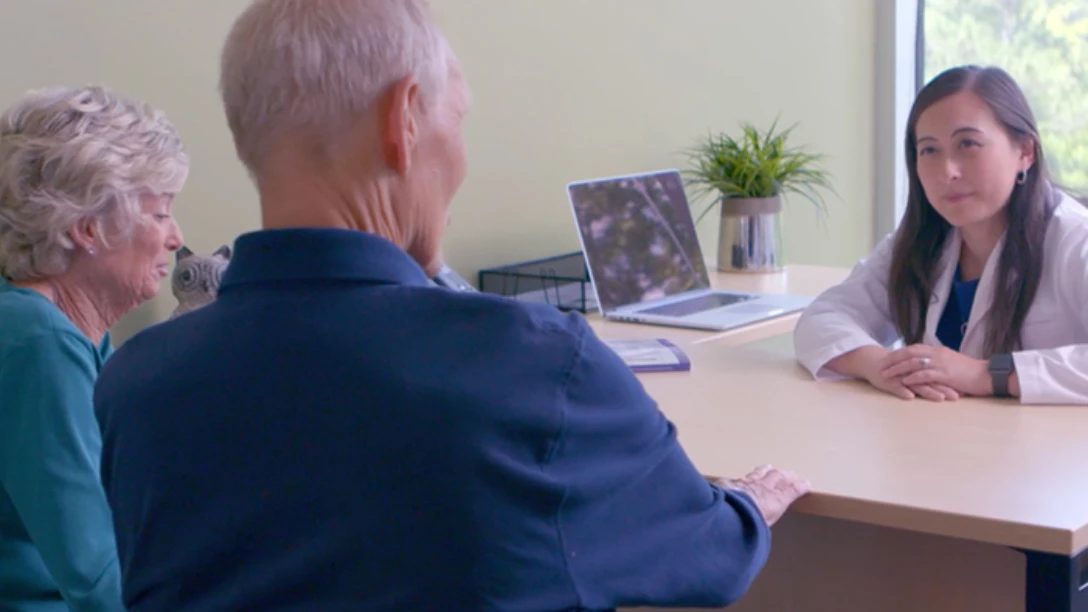
A look into treatment with JEVTANA
Learn more about treatment with JEVTANA from Paul, Debbie, and their medical oncologist, Dr. Zhang.*
*Paul passed away peacefully in September of 2025. He lived 5 years after his diagnosis.
Look into treatment
A Look Into Treatment with JEVTANA
Is JEVTANA right for you? Talk to your healthcare team.
OVER 47,000 MEN HAVE BEEN PRESCRIBED JEVTANA.
Estimate based on US sales & IQVIA data. 06/2010-11/2024. Sanofi.
If your advanced prostate cancer is progressing and have been previously treated with your current medicines, including the chemotherapy drug called docetaxel, talk to your healthcare team to see if JEVTANA may be right for you. Members of your healthcare team may include a doctor, nurse, or pharmacist.
JEVTANA was developed specifically to treat men with mCRPC that:
- Has spread to other parts of the body (metastasized)
- Is no longer responding to medicine or surgery that lowers testosterone
- Has previously been treated with a chemotherapy called docetaxel
Important Safety Information and Indication
JEVTANA is a prescription medicine used with the steroid medicine prednisone to treat men with castration-resistant prostate cancer (prostate cancer that is resistant to medical or surgical treatments that lower testosterone) that has spread to other parts of the body, and that has worsened (progressed) after treatment with other medicines that included docetaxel.
It is not known if JEVTANA is safe and effective in females or children.
What is the most important information I should know about JEVTANA (cabazitaxel)?
JEVTANA may cause serious side effects, including:
- Low white blood cell counts, are common during treatment with JEVTANA and can cause serious infections that may lead to death. Men who are 65 years or older may be more likely to have these problems. Your healthcare provider (HCP):
- will do blood tests regularly to check your white blood cell counts during your treatment with JEVTANA.
- may lower your dose of JEVTANA, change how often you receive it, or stop JEVTANA until your HCP decides that you have enough white blood cells.
- may prescribe a medicine for you called G-CSF, to help prevent complications if your white blood cell count is too low.
Tell your HCP right away if you have any of these symptoms of infection during treatment with JEVTANA: fever (take your temperature often during treatment with JEVTANA), cough, burning on urination, or muscle aches.
Also, tell your HCP if you have any diarrhea during the time that your white blood cell count is low. Your HCP may prescribe treatment for you as needed.
- Severe allergic reactions can happen within a few minutes after your infusion of JEVTANA starts, especially during the first and second infusions. Your HCP should prescribe medicines before each infusion to help prevent severe allergic reactions.
Tell your HCP or nurse right away if you have any of these symptoms of a severe allergic reaction during or soon after an infusion of JEVTANA: rash or itching, skin redness, feeling dizzy or faint, breathing problems, chest or throat tightness, or swelling of face.
- Severe stomach and intestine (gastrointestinal) problems.
- JEVTANA can cause severe vomiting and diarrhea, which may lead to death. Severe vomiting and diarrhea with JEVTANA can lead to loss of too much body fluid (dehydration), or too much of your body salts (electrolytes). Death has happened from having severe diarrhea and losing too much body fluid or body salts with JEVTANA. You may need to go to the hospital for treatment. Your HCP will prescribe medicines to prevent or treat vomiting and diarrhea, as needed with JEVTANA.
Tell your HCP if you have vomiting or diarrhea, or if your symptoms get worse or do not get better.
- JEVTANA can cause a leak in the stomach or intestine, intestinal blockage, infection, and bleeding in the stomach or intestine, which may lead to death.
Tell your HCP if you get any of these symptoms: severe stomach-area (abdomen) pain, constipation, fever, blood in your stool, or changes in the color of your stool.
- JEVTANA can cause severe vomiting and diarrhea, which may lead to death. Severe vomiting and diarrhea with JEVTANA can lead to loss of too much body fluid (dehydration), or too much of your body salts (electrolytes). Death has happened from having severe diarrhea and losing too much body fluid or body salts with JEVTANA. You may need to go to the hospital for treatment. Your HCP will prescribe medicines to prevent or treat vomiting and diarrhea, as needed with JEVTANA.
- Kidney failure may happen with JEVTANA, because of severe infection, loss of too much body fluid (dehydration), and other reasons, which may lead to death. Your HCP will check you for this problem and treat you if needed.
Tell your HCP if you develop these signs or symptoms: swelling of your face or body, decrease in the amount of urine that your body makes each day or blood in your urine.
- Inflammation of the bladder and blood in the urine. Blood in the urine is common with JEVTANA, but it can also sometimes be severe. Some people who have had pelvic radiation in the past may develop inflammation of the bladder and blood in the urine that is severe enough that they need to be hospitalized for medical treatment or surgery. Your HCP will check you for these problems during treatment with JEVTANA. Your HCP may stop your treatment with JEVTANA for a short time, or permanently, if you develop inflammation of the bladder and bleeding that is severe. Tell your HCP if you have blood in your urine, burning or pain during urination, or frequent or urgent need to urinate.
- Lung or breathing problems may happen with JEVTANA and may lead to death. Men who have lung disease before receiving JEVTANA may have a higher risk for developing lung or breathing problems with JEVTANA treatment. Your HCP will check you for this problem and treat you if needed.
Tell your HCP right away if you develop any new or worsening symptoms, including trouble breathing, shortness of breath, chest pain, cough or fever.
Who should not receive JEVTANA?
Do not receive JEVTANA if: your white blood cell (neutrophil count) is too low, you have had a severe allergic reaction to cabazitaxel or other medicines that contain polysorbate 80 (ask your HCP if you are not sure), or you have severe liver problems.
What should I tell my HCP before receiving JEVTANA?
Before receiving JEVTANA, tell your HCP if you:
- are over the age of 65
- had allergic reactions in the past
- have kidney or liver problems
- have lung problems
- are pregnant or plan to become pregnant. JEVTANA can cause harm to your unborn baby and loss of pregnancy (miscarriage).
- are a male with a female partner who is able to become pregnant. Males should use effective birth control (contraception) during treatment with JEVTANA and for 4 months after the last dose of JEVTANA.
Tell your HCP about all the medicines you take, including prescription and over-the-counter medicines, vitamins, and herbal supplements. JEVTANA can interact with many other medicines. Do not take any new medicines without asking your HCP first. Your HCP will tell you if it is safe to take the new medicine with JEVTANA.
What are the possible side effects of JEVTANA?
JEVTANA may cause serious side effects including:
The most common side effects of JEVTANA include:
- low red blood cell count (anemia), which is common with JEVTANA, but can sometimes also be serious. Your HCP will regularly check your red blood cell count. Symptoms of anemia include shortness of breath and tiredness.
- low blood platelet count, which is common with JEVTANA, but can sometimes also be serious. Tell your HCP if you have any unusual bruising or bleeding.
|
|
JEVTANA may cause fertility problems in males. This may affect your ability to father a child. Talk to your HCP if you have concerns about fertility.
Tell your HCP if you have any side effect that bothers you or that does not go away. These are not all the possible side effects of JEVTANA. For more information, ask your HCP or pharmacist.
Call your doctor for medical advice about side effects. You may report side effects to the FDA at 1-800-FDA-1088.
Click here for full Prescribing Information including Serious Side Effects.
Click here for full Patient Information including Serious Side Effects.
Click here to learn more about Sanofi's commitment to fighting counterfeit drugs.
Important Safety Information and Indication
JEVTANA is a prescription medicine used with the steroid medicine prednisone to treat men with castration-resistant prostate cancer (prostate cancer that is resistant to medical or surgical treatments that lower testosterone) that has spread to other parts of the body, and that has worsened (progressed) after treatment with other medicines that included docetaxel.
It is not known if JEVTANA is safe and effective in females or children.
What is the most important information I should know about JEVTANA (cabazitaxel)?
JEVTANA may cause serious side effects, including:
- Low white blood cell counts, are common during treatment with JEVTANA and can cause serious infections that may lead to death. Men who are 65 years or older may be more likely to have these problems. Your healthcare provider (HCP):
- will do blood tests regularly to check your white blood cell counts during your treatment with JEVTANA.
- may lower your dose of JEVTANA, change how often you receive it, or stop JEVTANA until your HCP decides that you have enough white blood cells.
- may prescribe a medicine for you called G-CSF, to help prevent complications if your white blood cell count is too low.
Tell your HCP right away if you have any of these symptoms of infection during treatment with JEVTANA: fever (take your temperature often during treatment with JEVTANA), cough, burning on urination, or muscle aches.
Also, tell your HCP if you have any diarrhea during the time that your white blood cell count is low. Your HCP may prescribe treatment for you as needed.
- Severe allergic reactions can happen within a few minutes after your infusion of JEVTANA starts, especially during the first and second infusions. Your HCP should prescribe medicines before each infusion to help prevent severe allergic reactions.
Tell your HCP or nurse right away if you have any of these symptoms of a severe allergic reaction during or soon after an infusion of JEVTANA: rash or itching, skin redness, feeling dizzy or faint, breathing problems, chest or throat tightness, or swelling of face.
- Severe stomach and intestine (gastrointestinal) problems.
- JEVTANA can cause severe vomiting and diarrhea, which may lead to death. Severe vomiting and diarrhea with JEVTANA can lead to loss of too much body fluid (dehydration), or too much of your body salts (electrolytes). Death has happened from having severe diarrhea and losing too much body fluid or body salts with JEVTANA. You may need to go to the hospital for treatment. Your HCP will prescribe medicines to prevent or treat vomiting and diarrhea, as needed with JEVTANA.
Tell your HCP if you have vomiting or diarrhea, or if your symptoms get worse or do not get better.
- JEVTANA can cause a leak in the stomach or intestine, intestinal blockage, infection, and bleeding in the stomach or intestine, which may lead to death.
Tell your HCP if you get any of these symptoms: severe stomach-area (abdomen) pain, constipation, fever, blood in your stool, or changes in the color of your stool.
- JEVTANA can cause severe vomiting and diarrhea, which may lead to death. Severe vomiting and diarrhea with JEVTANA can lead to loss of too much body fluid (dehydration), or too much of your body salts (electrolytes). Death has happened from having severe diarrhea and losing too much body fluid or body salts with JEVTANA. You may need to go to the hospital for treatment. Your HCP will prescribe medicines to prevent or treat vomiting and diarrhea, as needed with JEVTANA.
- Kidney failure may happen with JEVTANA, because of severe infection, loss of too much body fluid (dehydration), and other reasons, which may lead to death. Your HCP will check you for this problem and treat you if needed.
Tell your HCP if you develop these signs or symptoms: swelling of your face or body, decrease in the amount of urine that your body makes each day or blood in your urine.
- Inflammation of the bladder and blood in the urine. Blood in the urine is common with JEVTANA, but it can also sometimes be severe. Some people who have had pelvic radiation in the past may develop inflammation of the bladder and blood in the urine that is severe enough that they need to be hospitalized for medical treatment or surgery. Your HCP will check you for these problems during treatment with JEVTANA. Your HCP may stop your treatment with JEVTANA for a short time, or permanently, if you develop inflammation of the bladder and bleeding that is severe. Tell your HCP if you have blood in your urine, burning or pain during urination, or frequent or urgent need to urinate.
- Lung or breathing problems may happen with JEVTANA and may lead to death. Men who have lung disease before receiving JEVTANA may have a higher risk for developing lung or breathing problems with JEVTANA treatment. Your HCP will check you for this problem and treat you if needed.
Tell your HCP right away if you develop any new or worsening symptoms, including trouble breathing, shortness of breath, chest pain, cough or fever.
Who should not receive JEVTANA?
Do not receive JEVTANA if: your white blood cell (neutrophil count) is too low, you have had a severe allergic reaction to cabazitaxel or other medicines that contain polysorbate 80 (ask your HCP if you are not sure), or you have severe liver problems.
What should I tell my HCP before receiving JEVTANA?
Before receiving JEVTANA, tell your HCP if you:
- are over the age of 65
- had allergic reactions in the past
- have kidney or liver problems
- have lung problems
- are pregnant or plan to become pregnant. JEVTANA can cause harm to your unborn baby and loss of pregnancy (miscarriage).
- are a male with a female partner who is able to become pregnant. Males should use effective birth control (contraception) during treatment with JEVTANA and for 4 months after the last dose of JEVTANA.
Tell your HCP about all the medicines you take, including prescription and over-the-counter medicines, vitamins, and herbal supplements. JEVTANA can interact with many other medicines. Do not take any new medicines without asking your HCP first. Your HCP will tell you if it is safe to take the new medicine with JEVTANA.
What are the possible side effects of JEVTANA?
JEVTANA may cause serious side effects including:
The most common side effects of JEVTANA include:
- low red blood cell count (anemia), which is common with JEVTANA, but can sometimes also be serious. Your HCP will regularly check your red blood cell count. Symptoms of anemia include shortness of breath and tiredness.
- low blood platelet count, which is common with JEVTANA, but can sometimes also be serious. Tell your HCP if you have any unusual bruising or bleeding.
|
|
JEVTANA may cause fertility problems in males. This may affect your ability to father a child. Talk to your HCP if you have concerns about fertility.
Tell your HCP if you have any side effect that bothers you or that does not go away. These are not all the possible side effects of JEVTANA. For more information, ask your HCP or pharmacist.
Call your doctor for medical advice about side effects. You may report side effects to the FDA at 1-800-FDA-1088.
Click here for full Prescribing Information including Serious Side Effects.
Click here for full Patient Information including Serious Side Effects.
Click here to learn more about Sanofi's commitment to fighting counterfeit drugs.
Important Safety Information and Indication
JEVTANA is a prescription medicine used with the steroid medicine prednisone to treat men with castration-resistant prostate cancer (prostate cancer that is resistant to medical or surgical treatments that lower testosterone) that has spread to other parts of the body, and that has worsened (progressed) after treatment with other medicines that included docetaxel.
It is not known if JEVTANA is safe and effective in females or children.
What is the most important information I should know about JEVTANA (cabazitaxel)?
JEVTANA may cause serious side effects, including:
- Low white blood cell counts, are common during treatment with JEVTANA and can cause serious infections that may lead to death. Men who are 65 years or older may be more likely to have these problems. Your healthcare provider (HCP):
- will do blood tests regularly to check your white blood cell counts during your treatment with JEVTANA.
- may lower your dose of JEVTANA, change how often you receive it, or stop JEVTANA until your HCP decides that you have enough white blood cells.
- may prescribe a medicine for you called G-CSF, to help prevent complications if your white blood cell count is too low.
Tell your HCP right away if you have any of these symptoms of infection during treatment with JEVTANA: fever (take your temperature often during treatment with JEVTANA), cough, burning on urination, or muscle aches.
Also, tell your HCP if you have any diarrhea during the time that your white blood cell count is low. Your HCP may prescribe treatment for you as needed.
- Severe allergic reactions can happen within a few minutes after your infusion of JEVTANA starts, especially during the first and second infusions. Your HCP should prescribe medicines before each infusion to help prevent severe allergic reactions.
Tell your HCP or nurse right away if you have any of these symptoms of a severe allergic reaction during or soon after an infusion of JEVTANA: rash or itching, skin redness, feeling dizzy or faint, breathing problems, chest or throat tightness, or swelling of face.
- Severe stomach and intestine (gastrointestinal) problems.
- JEVTANA can cause severe vomiting and diarrhea, which may lead to death. Severe vomiting and diarrhea with JEVTANA can lead to loss of too much body fluid (dehydration), or too much of your body salts (electrolytes). Death has happened from having severe diarrhea and losing too much body fluid or body salts with JEVTANA. You may need to go to the hospital for treatment. Your HCP will prescribe medicines to prevent or treat vomiting and diarrhea, as needed with JEVTANA.
Tell your HCP if you have vomiting or diarrhea, or if your symptoms get worse or do not get better.
- JEVTANA can cause a leak in the stomach or intestine, intestinal blockage, infection, and bleeding in the stomach or intestine, which may lead to death.
Tell your HCP if you get any of these symptoms: severe stomach-area (abdomen) pain, constipation, fever, blood in your stool, or changes in the color of your stool.
- JEVTANA can cause severe vomiting and diarrhea, which may lead to death. Severe vomiting and diarrhea with JEVTANA can lead to loss of too much body fluid (dehydration), or too much of your body salts (electrolytes). Death has happened from having severe diarrhea and losing too much body fluid or body salts with JEVTANA. You may need to go to the hospital for treatment. Your HCP will prescribe medicines to prevent or treat vomiting and diarrhea, as needed with JEVTANA.
- Kidney failure may happen with JEVTANA, because of severe infection, loss of too much body fluid (dehydration), and other reasons, which may lead to death. Your HCP will check you for this problem and treat you if needed.
Tell your HCP if you develop these signs or symptoms: swelling of your face or body, decrease in the amount of urine that your body makes each day or blood in your urine.
- Inflammation of the bladder and blood in the urine. Blood in the urine is common with JEVTANA, but it can also sometimes be severe. Some people who have had pelvic radiation in the past may develop inflammation of the bladder and blood in the urine that is severe enough that they need to be hospitalized for medical treatment or surgery. Your HCP will check you for these problems during treatment with JEVTANA. Your HCP may stop your treatment with JEVTANA for a short time, or permanently, if you develop inflammation of the bladder and bleeding that is severe. Tell your HCP if you have blood in your urine, burning or pain during urination, or frequent or urgent need to urinate.
- Lung or breathing problems may happen with JEVTANA and may lead to death. Men who have lung disease before receiving JEVTANA may have a higher risk for developing lung or breathing problems with JEVTANA treatment. Your HCP will check you for this problem and treat you if needed.
Tell your HCP right away if you develop any new or worsening symptoms, including trouble breathing, shortness of breath, chest pain, cough or fever.
Who should not receive JEVTANA?
Do not receive JEVTANA if: your white blood cell (neutrophil count) is too low, you have had a severe allergic reaction to cabazitaxel or other medicines that contain polysorbate 80 (ask your HCP if you are not sure), or you have severe liver problems.
What should I tell my HCP before receiving JEVTANA?
Before receiving JEVTANA, tell your HCP if you:
- are over the age of 65
- had allergic reactions in the past
- have kidney or liver problems
- have lung problems
- are pregnant or plan to become pregnant. JEVTANA can cause harm to your unborn baby and loss of pregnancy (miscarriage).
- are a male with a female partner who is able to become pregnant. Males should use effective birth control (contraception) during treatment with JEVTANA and for 4 months after the last dose of JEVTANA.
Tell your HCP about all the medicines you take, including prescription and over-the-counter medicines, vitamins, and herbal supplements. JEVTANA can interact with many other medicines. Do not take any new medicines without asking your HCP first. Your HCP will tell you if it is safe to take the new medicine with JEVTANA.
What are the possible side effects of JEVTANA?
JEVTANA may cause serious side effects including:
The most common side effects of JEVTANA include:
- low red blood cell count (anemia), which is common with JEVTANA, but can sometimes also be serious. Your HCP will regularly check your red blood cell count. Symptoms of anemia include shortness of breath and tiredness.
- low blood platelet count, which is common with JEVTANA, but can sometimes also be serious. Tell your HCP if you have any unusual bruising or bleeding.
|
|
JEVTANA may cause fertility problems in males. This may affect your ability to father a child. Talk to your HCP if you have concerns about fertility.
Tell your HCP if you have any side effect that bothers you or that does not go away. These are not all the possible side effects of JEVTANA. For more information, ask your HCP or pharmacist.
Call your doctor for medical advice about side effects. You may report side effects to the FDA at 1-800-FDA-1088.
Click here for full Prescribing Information including Serious Side Effects.
Click here for full Patient Information including Serious Side Effects.
Click here to learn more about Sanofi's commitment to fighting counterfeit drugs.